How to download and play Fortnite PC Right Way
If you follow gaming at all, you have almost certainly heard of Fortnite — Epic Games’ free-to-play shooter is one of the most played games on the planet. You can play it on almost any platform, but the most competitive players choose PC, where higher frame rates, keyboard-and-mouse precision and deep graphics settings give you a real edge.
This guide walks you through the whole process the right way: checking that your PC meets Fortnite’s current system requirements, downloading and installing the game through the official Epic Games Launcher, choosing the best settings for performance or visuals, boosting your FPS with legitimate methods, and fixing the most common PC problems. Everything here uses official channels only — no modified installers and no risky third-party downloads.
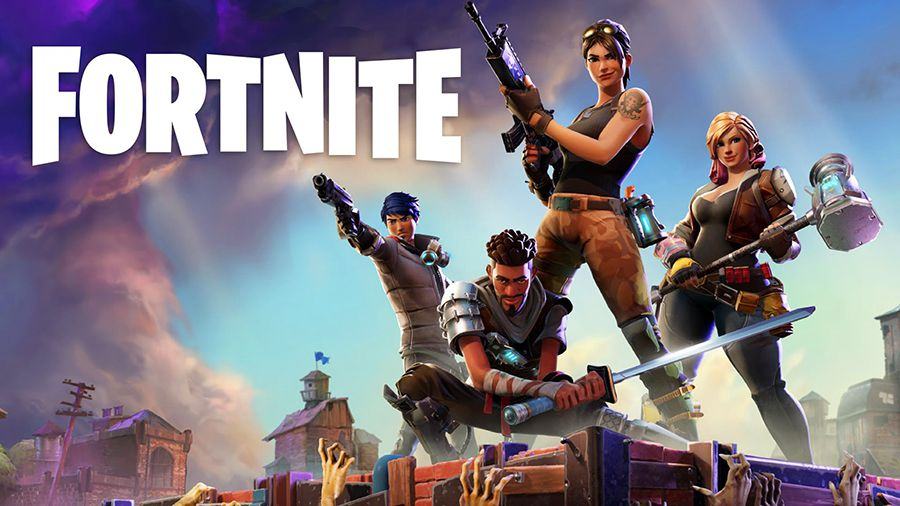
One quick note on cost: Fortnite Battle Royale and Creative are completely free to play, and the optional paid content is cosmetic. Save the World, Epic’s co-op PvE mode, is the main paid exception — our separate Fortnite Save the World guide covers it in detail.
Contents
- 1 Fortnite PC system requirements
- 2 How to download and install Fortnite on PC
- 3 Best Fortnite settings on PC: performance vs visuals
- 4 How to boost FPS in Fortnite on PC (legitimate methods only)
- 5 Common Fortnite PC problems and fixes
- 6 Controller vs keyboard and mouse on PC
- 7 What to play first
- 8 READ MORE
Fortnite PC system requirements
Before downloading anything, check your PC against Epic’s published specs. Epic updates these from time to time, so treat the figures below as the current baseline — and if your hardware is borderline, confirm on the official Fortnite system requirements page before you install.
Minimum requirements
- Operating system: Windows 10 (64-bit)
- Processor: Intel Core i3-3225 (3.3 GHz) or equivalent
- RAM: 8 GB
- Graphics card: Intel HD 4000 or AMD Radeon Vega 8 (DirectX 11 capable)
- Storage: around 30 GB of free space — an SSD is strongly recommended
Recommended requirements
- Operating system: Windows 10 or Windows 11 (64-bit)
- Processor: Intel Core i5-7300U (3.5 GHz) or AMD Ryzen 3 3300U, or equivalent
- RAM: 16 GB
- Graphics card: Nvidia GTX 960 or AMD R9 280 (DirectX 11 GPU with 2 GB of VRAM)
- Storage: NVMe SSD
For Epic’s top quality presets, the suggested spec climbs to a Core i7-8700 or Ryzen 7 3700X, 16 GB of RAM and an RTX 3070 or RX 6700 XT-class graphics card with 8 GB of VRAM. Competitive players chasing 144 FPS or more will want hardware above the recommended tier — at that level, your monitor’s refresh rate matters as much as the PC itself.
How to download and install Fortnite on PC
On PC, Fortnite is distributed exclusively through the Epic Games Launcher. Downloading the game from anywhere else risks malware or a tampered client, so stick to the official route:
- Create a free Epic Games account on the Epic Games website — you can sign up with an email address or link an existing console or social account.
- Download the Epic Games Launcher from the Fortnite page on epicgames.com and run the installer. If Windows asks for permission to make changes, click Yes.
- Open the Launcher and sign in with your account.
- Go to the Store tab, search for Fortnite and open its store page.
- Click Get, then Install, choose where to install the game and confirm. The Launcher shows download progress in the left sidebar.
- When the download finishes, open the Library tab and click Fortnite to launch the game.
Prefer not to install anything? Fortnite is also playable in a browser through cloud gaming services such as Xbox Cloud Gaming and GeForce NOW, which stream the game to you. That is handy on a low-end laptop, although a native install still delivers the best performance and the lowest input delay.
Once you are in the game, our Fortnite Battle Royale guide will help you survive your first matches and work towards a Victory Royale.
Best Fortnite settings on PC: performance vs visuals
Fortnite’s Video settings let you trade visual quality for frame rate, and most players sit somewhere between two profiles.
For maximum FPS (competitive)
- Window Mode: Fullscreen
- Resolution: your monitor’s native resolution (lower it only as a last resort)
- Frame Rate Limit: match your monitor’s refresh rate, or set it slightly above
- Rendering Mode: Performance on older or integrated graphics; DirectX 12 on stronger GPUs
- View Distance: Medium to Far — dropping it too low makes distant players harder to spot
- Shadows, Anti-Aliasing, Textures, Effects and Post Processing: Low or Off
For the best visuals
- Rendering Mode: DirectX 12
- Textures and Effects: High or Epic
- Shadows: Medium to High
- Nanite and Lumen: on supported hardware, Epic’s Nanite geometry and Lumen lighting make a dramatic difference — at a real cost to FPS
A good middle ground for most gaming PCs is DirectX 12 with Medium-to-High textures, shadows on Low, effects on Medium and a frame-rate cap matched to your monitor. Whatever you choose, change one setting at a time and play a match — you will feel the difference immediately.
How to boost FPS in Fortnite on PC (legitimate methods only)
Everything below uses the game’s own options and standard Windows settings. Avoid so-called “FPS boost” packs, registry tweaks from random videos and any tool that modifies game files: at best they do nothing, and at worst they can trip anti-cheat systems or put your account at risk.
- Switch to Performance rendering mode if your GPU is older or integrated — it is the single biggest FPS gain on low-end hardware.
- Lower shadows and post-processing first; they cost the most frames for the least competitive benefit.
- Update your graphics drivers from Nvidia, AMD or Intel’s official websites.
- Close background apps before playing — browsers and recording software quietly eat RAM and CPU.
- Keep some free space on your SSD; a nearly full drive slows down asset streaming and patching.
- On a laptop, play plugged in and set the Windows power plan to High Performance.
- Use a wired Ethernet connection where possible. Wi-Fi adds latency spikes — and if connection lag is your problem rather than FPS, our best VPN for gaming guide explains when a VPN helps and when it doesn’t.
Common Fortnite PC problems and fixes
The Launcher won’t install or update
Restart your PC and run the Launcher as administrator. If updates keep failing, reinstall the Launcher itself — your game library is tied to your Epic account, so you won’t lose your games, and Fortnite’s files are usually detected on the new install. Also check that your antivirus isn’t silently blocking the Launcher.
Fortnite crashes or won’t launch
Verify the game files first: in the Launcher, open Library, click the three dots next to Fortnite, then Manage and Verify. Next, update your graphics drivers, and try disabling overlays such as Discord or GeForce Experience — they are a common crash cause.
Low FPS on a good PC
Make sure the game is using your dedicated graphics card rather than integrated graphics — on laptops you can force this in Windows Graphics settings or your GPU’s control panel. On laptops, also watch temperatures: a hot, throttled GPU is one of the most common hidden causes of sudden frame drops.
Long loading times
Install Fortnite on an SSD rather than a mechanical hard drive. The game constantly streams in map assets, and an NVMe SSD — which Epic recommends — noticeably shortens both loading screens and in-match stutter.
Controller vs keyboard and mouse on PC
PC players can use either input, and both are fully supported — you can even switch mid-session. Keyboard and mouse is the competitive standard: building and editing are much faster, and aiming is more precise once you find a sensitivity that suits you. It is also the setup most Fortnite settings guides assume.
A controller is the more comfortable option for many players, with aim assist helping to keep shots on target and a layout that will feel familiar if you come from console — plenty of top players compete on controller. Xbox and PlayStation controllers work natively with Windows, so the best advice is simple: try both in Creative mode for a few sessions and keep the one that feels natural.
What to play first
New to Fortnite? Start with Zero Build while you learn the map and weapons — it removes building from the equation — then move into classic Battle Royale when you are ready to learn building and editing. Creative mode is a relaxed sandbox for practice and mini-games, and Save the World offers co-op PvE if you own it. And if the outfits filling your lobby catch your eye, our guide to the most expensive Fortnite skins ever explains how the rarest ones were originally earned.
That is everything you need to get Fortnite running properly on PC. Keep your drivers updated, revisit your settings after big updates — Epic changes the graphics options more often than you’d expect — and good luck out there.
READ MORE
- The Most Expensive Fortnite Skins Ever — And How Players Actually Got Them
- Top 10+ Most Popular Fortnite Characters of All Time
- TOP 10+ Most Popular Fortnite Skins
- How to get Fortnite on iPhone
- Fortnite Battle Royale Guide and how to secure a Victory Royale
- Fortnite update – all of the costumes you’ll be able to unlock throughout Season 9
- How to get Fortnite on iPhone
- TOP 10 ROBLOX GAMES
- GAME REVIEWS