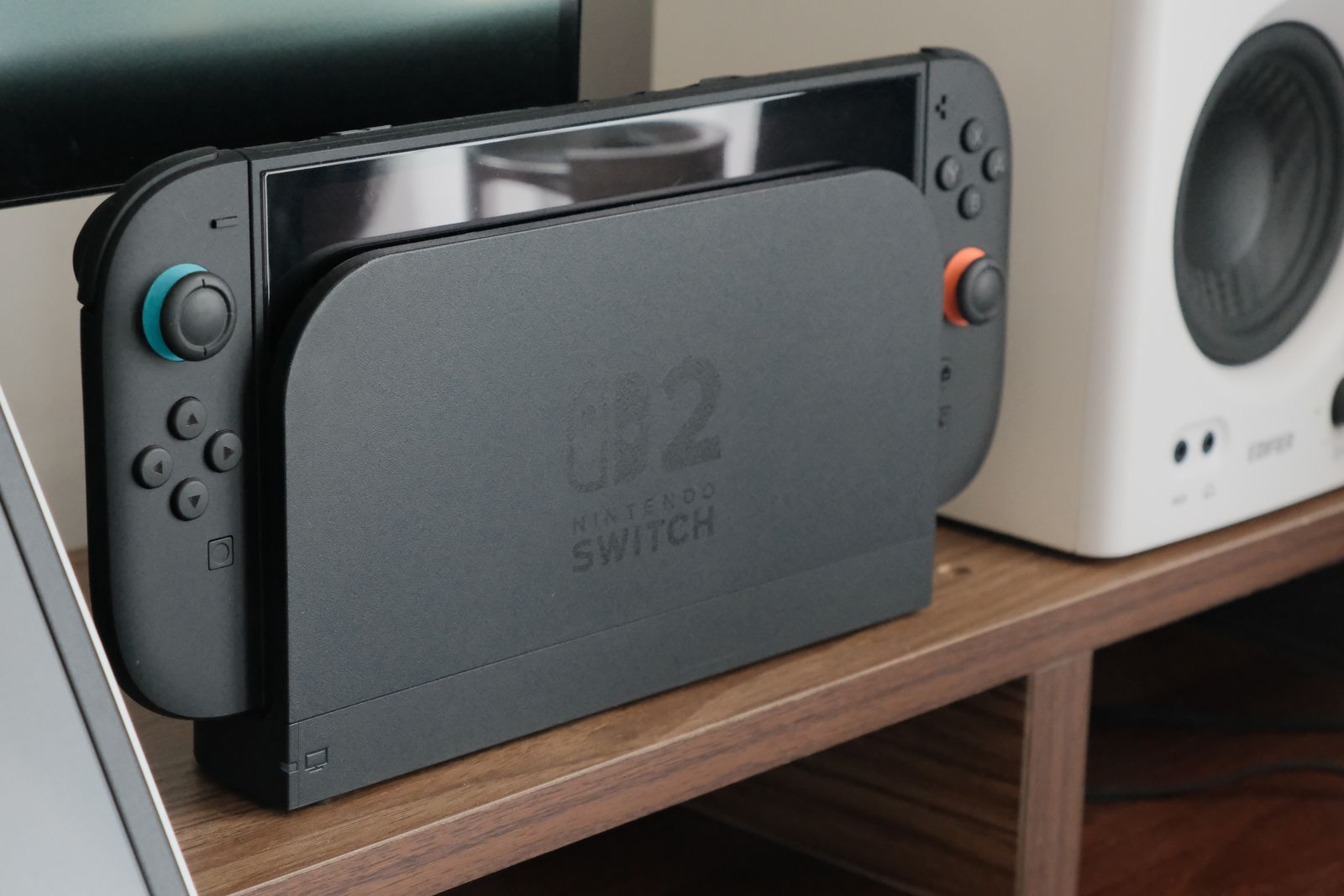
Zelda: Ocarina of Time Remake on Switch 2: 96 on Metacritic — What’s New on Launch Day
It is launch day, and the most famous adventure in gaming history is back — rebuilt from the ground up, carrying the highest review score of any game released in 2026, and arriving on a console that is barely a year old. The Legend of Zelda: Ocarina of Time launches today, November 5, 2026, exclusively on Nintendo Switch 2, and if you have been waiting for a reason to believe the remake hype, the critics have already given you one: a 96 on Metacritic, with every single review counted so far landing on the positive side.
This is not a scored review — nobody sensible scores a 30-hour adventure on launch morning. It is everything you need before spending $59.99 or $69.99: what the reviews actually say, what is genuinely new, what the day-one patch does, and what to check before you buy.
Contents
The review scores, in context
Let us start with the number everyone will quote today, because it is genuinely remarkable. The remake holds a 96 on Metacritic from 84 critic reviews, with 100% of them positive and none mixed or negative, and a 95 on OpenCritic from 48 reviews. Multiple outlets, including Polygon and TheGamer, have noted that this makes it the best-reviewed game of 2026 so far — not just the best-reviewed remake, the best-reviewed game, full stop.
The individual scores behind that average tell the same story. IGN and GameSpot both gave it 9 out of 10. TheGamer and Destructoid awarded perfect scores, GamesRadar+ gave it five stars, Nintendo Life scored it 9 out of 10, and Japan’s Famitsu gave it 37 out of 40. The Guardian’s Keza MacDonald gave it five stars, and VGC did the same. The lowest score in the round-ups so far is RPG Site’s 8 out of 10 — which, for a remake of a game many critics already consider untouchable, reads less like a warning and more like a rounding error.
Context matters, though. The 1998 original still holds a 99 on Metacritic — the highest score the site has ever recorded for any game — so the remake has not dethroned its own legend. It has comfortably beaten Nintendo’s last attempt, though: Ocarina of Time 3D on the 3DS sits at 94. And aggregate scores can still move. At the time of writing, the Metacritic user score has not opened yet — it unlocks on November 6 — so the player verdict, which is often where the real argument starts for a remake this beloved, is still to come. Treat the 96 as what it is: an unusually strong critical consensus on day one, not a final verdict. For comparison with a more divided launch, our Phantom Blade Zero first-reviews breakdown shows what a more divided launch looks like — that game landed at 88 on Metacritic with a genuine split between outlets.
What is actually new in the remake
A remake lives or dies on what it changes, and this one changes more than the resolution. The visuals have been rebuilt from the ground up rather than upscaled, with reimagined environments, a refreshed soundtrack performed by a full orchestra, and fully voiced cutscenes with expanded dialogue — a first for this story, which was silent on the N64 and text-only on the 3DS.
The gameplay has been modernised in ways that should matter to anyone who remembers the original’s quirks. There is a proper jump button and a dash, a free camera, motion aiming, and faster item swapping, all closer to how modern Zelda games handle movement and combat. A new progress feature called Threads of Time tracks your journey. And the ocarina itself — the instrument the whole game is named after — can now be played with traditional button controls, or by humming the melody into the Switch 2’s built-in microphone. Nintendo’s own listing even suggests trying it with a real ocarina, which is either charming or a dare, depending on your neighbours.
What has not changed is the game underneath: the same story, world, dungeons, and journey from young Link to adult Link across two eras of Hyrule. Nintendo Life’s 9-out-of-10 review called it a “must-buy for Switch 2” but also a “very safe remake” — faithful to a fault. If you wanted a reimagining, this is not it. If you wanted the original, rebuilt properly, that is exactly what the scores suggest you are getting.
Zelda Notes and the day-one patch
Before you play, install the update. Version 1.1.1 — a 343 MB day-one patch that went live on November 4 — takes the game from its shipped 1.0.0 build to the launch build and switches on support for Zelda Notes, the companion service inside the Nintendo Switch App on your phone. The full install takes up about 24.8 GB on the console (Nintendo’s store page lists an estimated 27 GB, so leave a little headroom if your storage is tight).
Zelda Notes is worth a minute of setup. It is free to use, needs a Nintendo Account, an internet connection and a compatible smart device — but notably, no Nintendo Switch Online membership. It adds a daily record with automatic screenshots, image-based Gossip Quests that send you to find the place shown in a photo, a virtual ocarina you can play on your phone, and a quiz of more than 2,000 questions you can take once a day, with extra attempts bought using rupees transferred from the game’s shops. It is the same service that debuted with the Switch 2 editions of Breath of the Wild and Tears of the Kingdom in 2025. The patch also includes Nintendo’s usual unspecified stability fixes.
One timing note if you are buying digitally: the game unlocked at midnight local time, rolling westward from New Zealand, and at 9 p.m. PT on November 4 in the Americas. If you pre-loaded, the patch should already be waiting — check for the 1.1.1 version number before you start, because Zelda Notes will not work until it is installed. It is the same kind of launch-morning housekeeping we flagged when Hogwarts Legacy’s DLSS 5 patch landed on the very same day — November 5 is doing double duty as patch day for two of the year’s biggest Switch 2 releases.
Price, editions, and what to check before buying
The pricing is straightforward, with one $10 decision to make. The digital edition costs $59.99 on the eShop; the physical edition costs $69.99, and the first print run carries a textured foil cover. In the UK, the split is £49.99 digital and £58.99 physical. There is no collector’s edition and no pre-order bonus beyond the early-purchase offer: buy the digital version before 11:59 p.m. PT on November 23, 2026, and you get a Legend of Zelda 40th Anniversary digital wallpaper.
The checklist before you buy:
- It is Switch 2 only. The remake does not run on the original Nintendo Switch, so a Switch 2 is required whichever version you buy. If you do not own one yet, the Zelda 40th Anniversary Edition console costs $519.99 — but it has already sold out at Nintendo’s store, and it does not include the game anyway.
- Digital saves you $10 and the trip to the store. The physical edition’s foil cover is the only real reason to pay the premium, unless you collect or resell cartridges. There is no gameplay difference between the two.
- Check your storage. At roughly 24.8 GB installed, plus the 343 MB patch, the game fits comfortably on the Switch 2’s internal storage — but if your console is already full of launch-window games, clear space before download day rather than during it.
- amiibo are a 2027 story. Nintendo has confirmed Young Link and Young Zelda amiibo figures arriving in 2027, which will unlock special in-game masks. Do not buy any amiibo today expecting a day-one bonus — there is not one.
- Save Data Cloud needs a membership. Zelda Notes itself is free and needs no Nintendo Switch Online membership, but cloud saves are a paid NSO feature. If you play on more than one console, that distinction matters.
For the full official listing, including the store’s edition breakdown, Nintendo’s official Ocarina of Time Switch 2 page is the source to check.
What the reviews say is missing
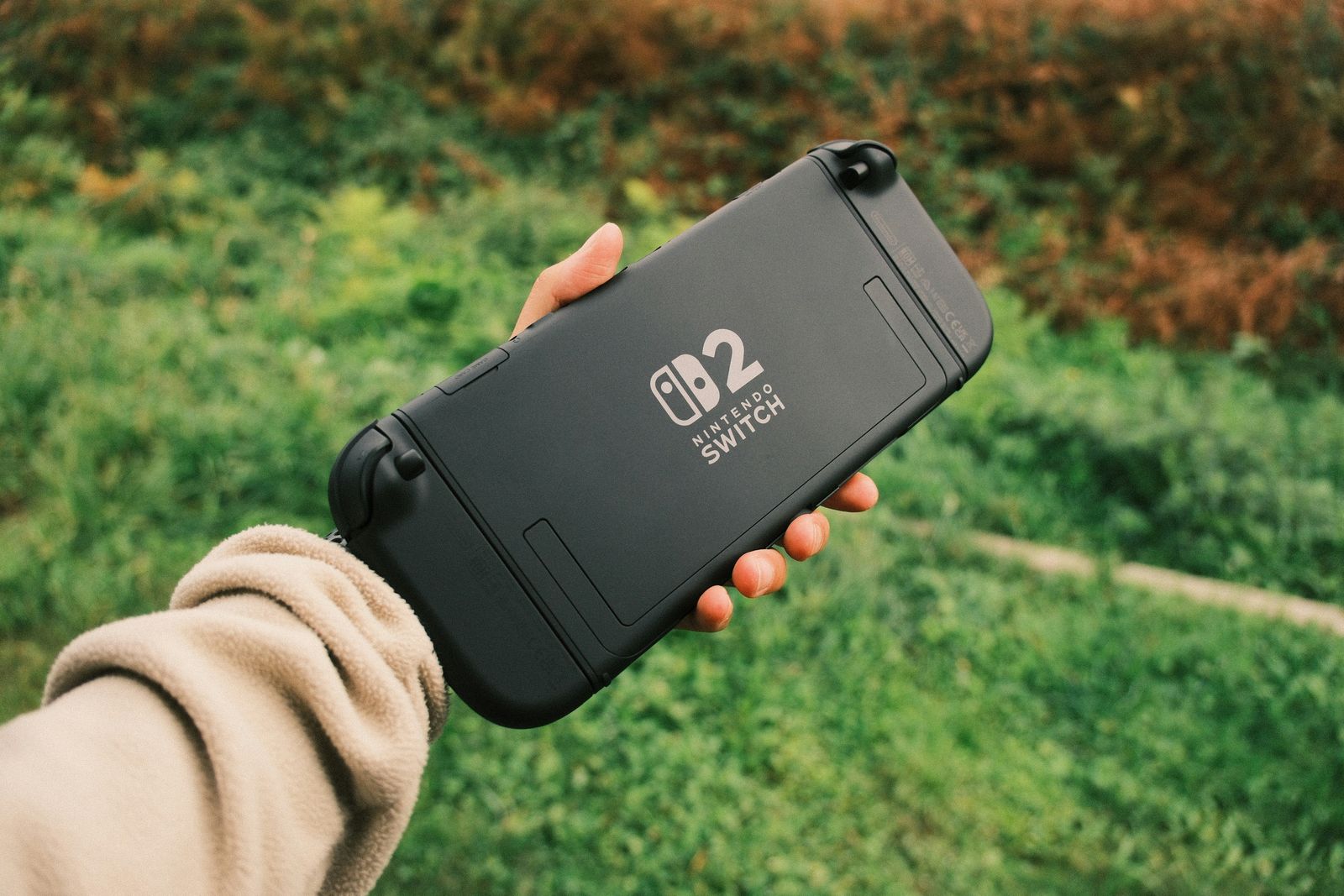
No launch is perfect, and the complaints about this remake are consistent enough to be worth knowing before you buy. Reviewers confirmed on November 4 that there is no Master Quest and no hard mode, so veterans replaying for the tenth time will find the same difficulty they remember — which is to say, not much of one. There is only one manual save slot, alongside autosaves, which is an odd limitation for a game people will want to keep multiple runs of. And in handheld mode, reviewers noted a resolution drop with some shimmering on distant assets — the kind of thing you will notice on a big TV-to-handheld switch, and the kind of thing a future patch could quietly improve.
None of these kept the scores below 9 out of 10 at any major outlet, which tells you how the critics weighed them: real flaws, but small ones next to the whole. The honest summary is that this is a faithful, polished, conservative remake of a game that did not need reinventing — and if you go in expecting reinvention, the missing Master Quest will sting more than the orchestral score will soothe.
Who should buy it on day one — and who should wait
Buy it today if: you have never played Ocarina of Time and own a Switch 2. You are about to play the most acclaimed adventure ever made, in its best version, for $59.99 — that is the easiest recommendation in gaming this year. Buy it today, too, if you played the original in 1998 and want to see Hyrule rebuilt properly; the scores say the nostalgia holds up, and the modern controls remove the friction that made replays of the N64 version feel dated.
Wait if: you played the 3DS version recently and want a meaningfully different game — this is the same adventure, beautifully rebuilt, but it is the same adventure. Wait as well if you do not yet own a Switch 2: this is a superb game, but it is one game, and buying a console for it means weighing it against everything else on our best games to play in 2026 list first. And if the missing Master Quest or the single save slot genuinely bothers you, a price cut is the rational move — Nintendo first-party games do go on sale eventually, just slowly.
One more launch-day note: Stellar Blade Complete Edition lands on the same day, if your budget stretches to a second game and you would rather spend it on something brand new than something beautifully rebuilt. But that is a different article. Today belongs to Hyrule.
FAQ
Is the Ocarina of Time remake on the original Switch?
No. It is exclusive to Nintendo Switch 2 and does not run on the original Switch.
How much does the Ocarina of Time remake cost?
$59.99 digital on the eShop and $69.99 physical in the US (£49.99 / £58.99 in the UK). The physical first print run has a textured foil cover.
What is the Metacritic score for the Ocarina of Time remake?
96 on Metacritic from 84 critic reviews, all positive, and 95 on OpenCritic — the highest-rated game of 2026 so far. The user score had not opened at the time of writing.
Do I need Nintendo Switch Online for Zelda Notes?
No. Zelda Notes is free and requires a Nintendo Account, an internet connection and a compatible smart device, but no NSO membership. Cloud saves are the only feature that needs a paid membership.
Is there a Master Quest or hard mode?
No — reviewers confirmed neither is included, and there is only one manual save slot alongside autosaves.
Verdict
Twenty-eight years after the original set a standard no game has matched, its remake arrives on launch day as the best-reviewed game of 2026 — a 96 on Metacritic and universal acclaim. The changes are real but respectful: rebuilt visuals, voiced cutscenes, an orchestral score, modern controls, and a companion app that adds a useful layer without touching the game itself. The omissions are real too: no Master Quest, no hard mode, one save slot, and a handheld mode that shows its seams.
For anyone who has never played it, this is the definitive way in, and the price is fair. For returning players, it is the version your memory has been insisting the original always was. Check the patch, check your storage, pick your edition — and then go and save Hyrule again. If you want a sense of how launch week is shaping up more broadly, our Modern Warfare 4 launch guide covers the other giant release sharing this window.